The saying "love is blind" holds a lot of truth, because when we are in love, we often do not think rationally and do not see the faults of our partner, and our decisions and behaviors are driven by our strong emotions.
When we fall in love, various hormones are released in the brain, such as dopamine, adrenaline and serotonin, which influence our behavior and emotions. Dopamine, also known as the reward hormone, triggers the feelings of reward and pleasure that arise when we think about our partner. Adrenaline, in turn, causes an accelerated heart rate, sweating and increased tension levels, which often leads to strong emotions and impulsive behavior. Serotonin, the happiness hormone, can influence our sense of euphoria and overall well-being.
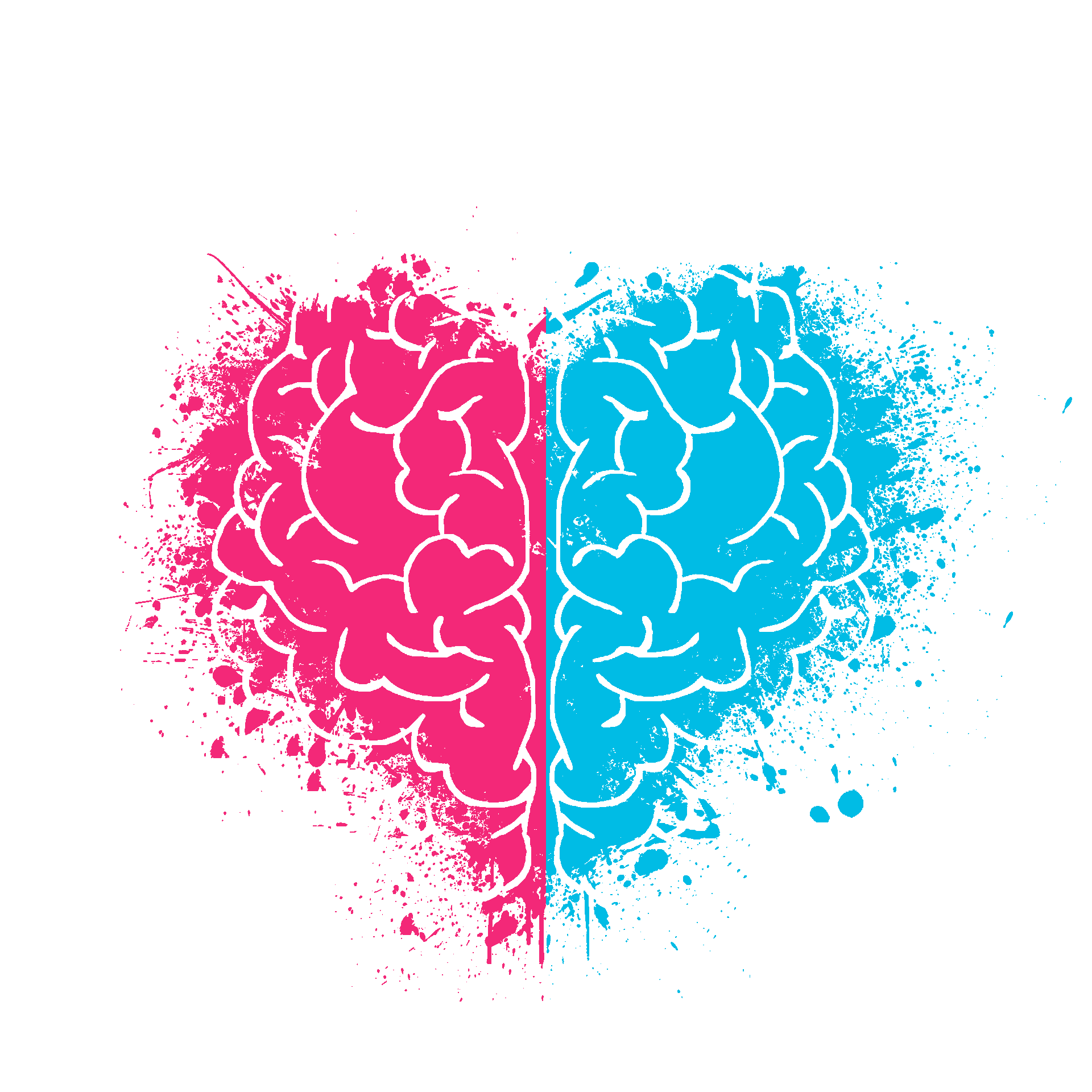
Matching Halves.


These complex chemical processes that take place in our brain can affect our thinking and decisions, as emotions often dominate our rational approach to a situation. This can lead to hasty decisions, ignoring red flags, or downplaying certain problems in the relationship. Often then we do not see our partner's shortcomings, and we only see his advantages.
That's why the saying "love is blind" is so popular - because it points to the fact that our emotions and brain chemistry often influence our thinking and behavior. However, it is important to use common sense and not forget about important values in a relationship, such as respect, loyalty, trust and communication.
When we fall in love, various hormones are released in the brain, such as dopamine, adrenaline and serotonin, which influence our behavior and emotions. Dopamine, also known as the reward hormone, triggers the feelings of reward and pleasure that arise when we think about our partner. Adrenaline, in turn, causes an accelerated heart rate, sweating and increased tension levels, which often leads to strong emotions and impulsive behavior. Serotonin, the happiness hormone, can influence our sense of euphoria and overall well-being.
Matching Halves.
Game for couples
Relationship balance - check if you and your partner are going in the same direction?
These complex chemical processes that take place in our brain can affect our thinking and decisions, as emotions often dominate our rational approach to a situation. This can lead to hasty decisions, ignoring red flags, or downplaying certain problems in the relationship. Often then we do not see our partner's shortcomings, and we only see his advantages.
That's why the saying "love is blind" is so popular - because it points to the fact that our emotions and brain chemistry often influence our thinking and behavior. However, it is important to use common sense and not forget about important values in a relationship, such as respect, loyalty, trust and communication.